 Atlanta Injury Lawyer Blog


In this blog:
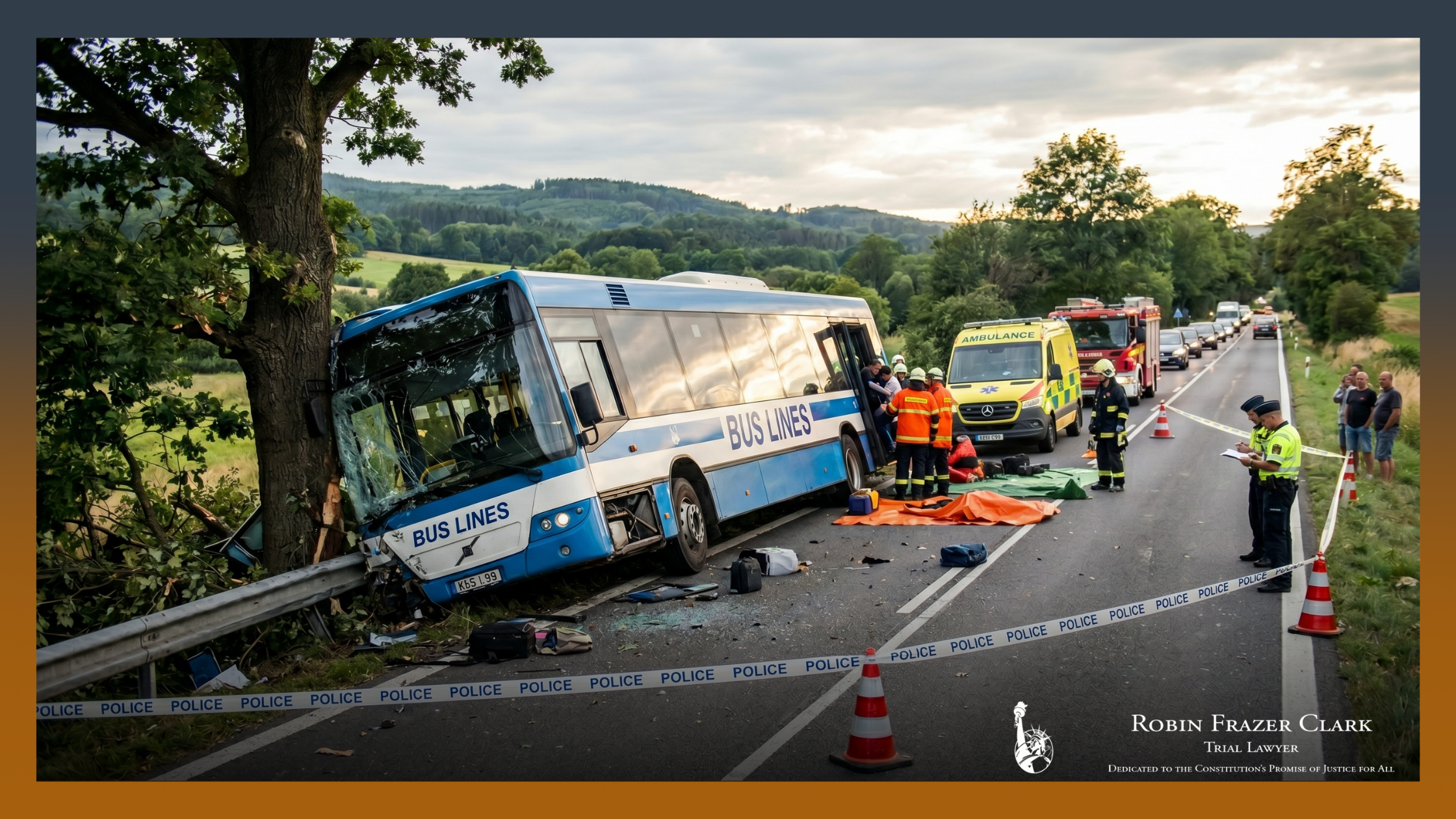
Bus companies and insurers often move fast after a crash because delay can help them, and missing records can help them even more. That timeline can be challenged. Bus wrecks leave footprints, and a careful case review can pull those records into the light
After a bus accident injury, you can be left dealing with pain, missed work, medical appointments, and calls from insurance companies before you’ve had a real chance to process what happened. For many people, one of the hardest parts in the first few days is the feeling that the people with the most control over the situation may already be working to limit what they owe.
That pressure can be especially frustrating in bus crash cases because these claims may involve a transportation company, a commercial insurer, or a public agency with its own procedures and priorities. While you’re trying to get answers and take care of your health, other people may be focused on reducing the financial fallout. That can leave injured people feeling dismissed, rushed, or pushed toward explanations that do not reflect the full impact of the crash.
Fault Can Reach Beyond One Person
Fault in a bus accident may rest with the bus driver, another driver on the road, the company operating the bus, or a business responsible for inspection and maintenance. A wreck can happen due to distraction, fatigue, unsafe lane changes, poor vehicle maintenance, rushed schedules, or decisions made far from the crash scene by people who never laid a hand on the steering wheel.
That’s one reason these claims can get disputed fast. Each side may point elsewhere, hoping the blame lands anywhere but on them. For an injured person, that can create delay, frustration, and pressure to accept a thin explanation for a serious event.
What You Can Do While the Facts Are Fresh
You may not control the company’s internal investigation, though you can protect your side of the story. A careful paper trail may include photos, witness names, the report number, dates you missed work, out-of-pocket receipts, and a simple symptom log that tracks how the injury has affected sleep, movement, driving, childcare, and daily tasks. If the Georgia State Patrol handled the wreck, the Department of Public Safety offers online search, retrieval, and payment for crash reports. Georgia patients can also request written copies of their medical records, which can help preserve the treatment timeline while events are still fresh.
Injuries Can Grow Clearer After the First Day
Bus crashes often leave people with neck and back trauma, concussions, fractures, shoulder injuries, knee injuries, and soft-tissue damage that can disrupt work and home life for weeks or months. Some injuries announce themselves at once. Other injuries unfold later. The CDC says some mild traumatic brain injury and concussion symptoms may appear hours or days after the event, which is one reason quick assumptions about recovery can create problems. A claim evaluation is often only as good as the medical timeline behind it.
What Compensation May Need to Cover
Compensation after a bus crash may account for medical bills, lost income, future treatment, and the human cost of living with pain and disruption. Georgia law separates damages into losses that can be measured and broader harm flowing from the injury, and that framework is one reason a rushed settlement can leave major gaps. A low early offer may not reflect follow-up care, physical therapy, extended time away from work, or the way an injury has changed day-to-day life inside your home.
Put the Pressure Where It Belongs
You don’t have to carry this fight alone while insurers and transportation companies protect their own interests. Robin Frazer Clark, P.C., fights for injured people in Atlanta with urgency, grit, and a clear sense of who should answer for the damage a bus crash leaves behind. Call (404) 873-3700 to schedule a free consultation.
Bus Crash Injury FAQ
Who can be at fault in a bus accident?
Fault may involve the bus driver, another motorist, the bus company, or a party responsible for vehicle upkeep. The answer often depends on how the crash happened and who controlled the conditions that led to it.
What injuries show up after a bus crash?
People may suffer head injuries, neck and back pain, fractures, joint injuries, and soft-tissue damage. Some symptoms appear later, which is one reason early low settlement pressure can be risky.
What compensation may be available after a bus accident?
A claim may seek money for medical care, lost pay, future treatment needs, and the day-to-day harm caused by the injury. The value can turn on the facts, the medical record, and how the injury affects your life over time.