Articles Posted in Uncategorized

RFC-300x200
The person who suffers physical harm in a personal injury case is not the only one who suffers. Someone has to pick up the slack around the house when it comes to chores. Someone else’s day-to-day life is upended when he or she has to shuttle to doctor’s appointments constantly. So, is there a way for loved ones of personal injury victims to recover damages, too? Yes, there is, and it’s referred to as “loss of consortium.”

“Consortium” is a Latin word that translates to “having a partner.” This can manifest in so many ways — through loss of intimacy, physical affection, and friendship, to name three.  Loss of consortium, however, encompasses much more than physical intimacy. Not having someone around to do yard work, prepare meals, or perform those menial tasks can quickly add up to stress for the healthy spouse. That’s another important note: only spouses are eligible for loss of consortium damages in Georgia. Unmarried partners may not access this legal avenue. Additionally, spouses must request loss of consortium damages within four years of the other spouse’s injury.

Loss of Consortium Damages are Difficult to Calculate

pexels-karolina-grabowska-4506214-300x200
If you’ve ever scrolled through network TV in the middle of a weekday, you’ve probably come across one or many commercials for personal injury law firms. One of the phrases these advertisements throw around are “pain and suffering.” This isn’t just a snappy expression designed to get your attention; in Georgia, pain and suffering is actually a legal item of damages. In other words, you might be awarded money to compensate you for your pain and suffering after a serious personal injury. 

Economic vs. Non-Economic Damages

After you submit a personal injury claim or file a lawsuit, the other party will begin determining a proper payout (assuming it is determined that you deserve compensation in the first place). The first order of business is calculating your economic damages. These are expenses that have a particular dollar amount attached to them. Common economic damages are lost wages, doctor bills, pharmacy bills, and general medical costs. 

accident-3714897_1280-300x201
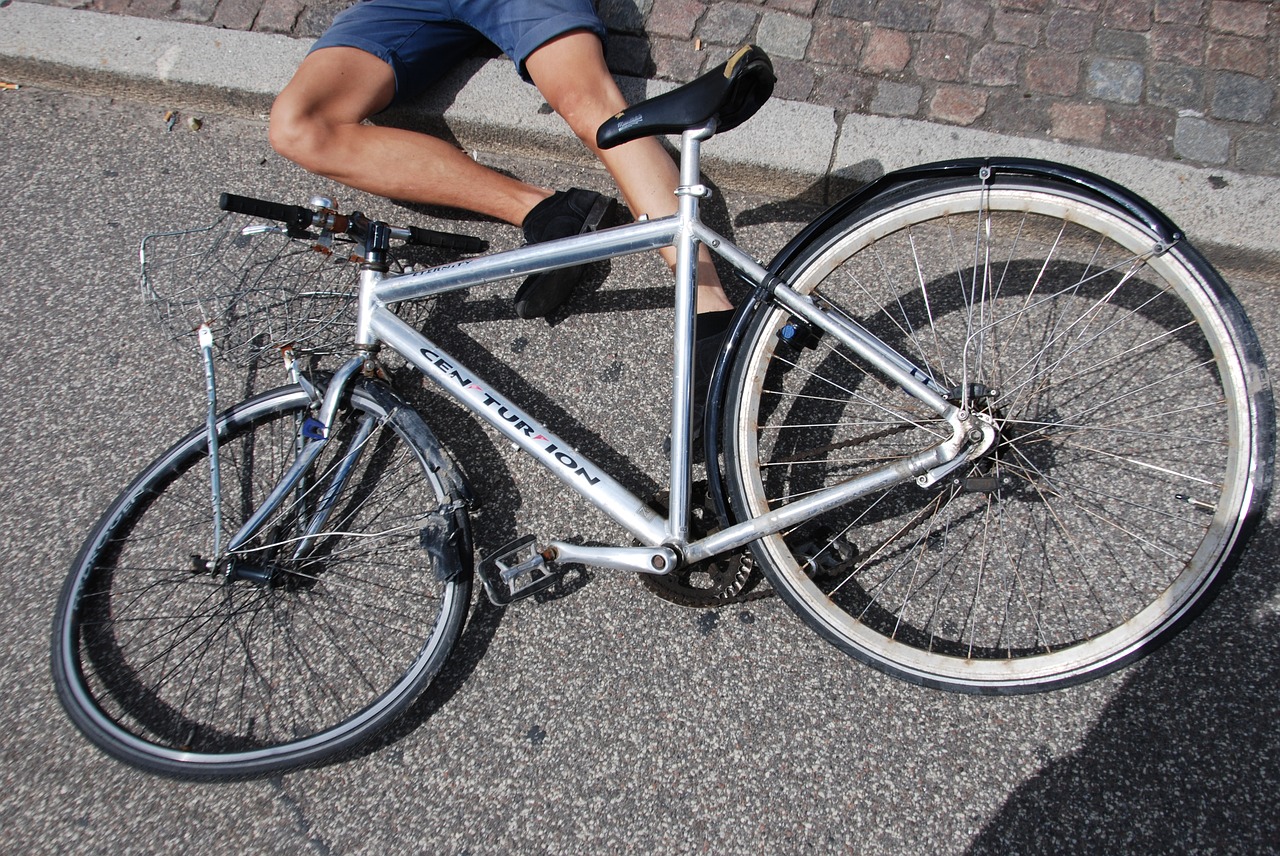
Between the push for citizens of the world to be more environmentally conscious and the limited options for recreation during the COVID-19 pandemic, cycling has almost never been more popular. Drivers of cars and trucks must pay extra close attention now to more bicycle riders than usual. After all, bicycles are considered vehicles in most contexts of Georgia law, so drivers are responsible for sharing the road with cyclists—and vice versa. 

Of course, an accident between a car and bicycle is completely different than an accident between two cars. Cyclists have much less infrastructural protection, for one, meaning that injuries sustained on a bicycle that collided with a car have a good chance of being catastrophic. As a result, many drivers who hit cyclists panic and quickly drive away from the scene. 

Uninsured/Underinsured Motorist Coverage

dan-gold-kARZuSYMfrA-unsplash-300x169
Gone are the days of standing perilously close to a busy city street and hailing a yellow taxi to take you to some other location uptown or downtown. Now, you can “hail” a cab from the comfort of your own home and convenience of your smartphone. The two most popular applications for ride-sharing services are Uber and Lyft, and each app handles millions of transactions each day. 

With so much traffic (vehicular and digital) flowing through these apps, auto accidents associated with the apps are bound to happen. In a typical fender-bender, the at-fault driver typically has to pay up through his or her insurance carrier—usually a fairly straightforward process. What happens, though, when a driver for one of these ride-sharing companies (classified as an independent contractor) is involved in a serious car wreck? The fallout is fairly complicated, but we lay out below what you should expect. 

What Happens if you are Injured by a Ride-Sharing Driver?

accident-994005_1920-300x225
Through all the pain, turmoil, stress, and financial distress you go through after suffering a serious personal injury due to someone else’s negligence, you would think that getting compensation for your troubles is easy. Unfortunately, this isn’t always the case. Defendants in personal injury cases will try anything (within reason) to either avoid paying you, the plaintiff, or, at the very least, decrease the amount they have to pay you. This blog will cover four common ways defendants may contest their liability in a personal injury case. 

  1. You didn’t take actions to mitigate the damage to your health and wellbeing. The defendant, more or less, admits that their negligence or actions caused harm to you. However, this defense is activated when the defendant claims that you didn’t take reasonable actions to mitigate, or lessen, your injuries. For instance, you might encounter this defense if you waited a day or two to get medical attention after a serious car accident. 
  2. You assumed the risks involved (assumption of risk). To successfully use this defense in a personal injury case, the defendant must convince the judge or jury of three things: 

Health-14-300x209
Most car accidents result in either minor injuries or no injuries at all to the drivers and passengers involved. This information is useless to individuals who, unfortunately, are involved in serious crashes that require urgent medical care. Even worse, more than 100 people in the U.S. die every day due to negligence on the road. 

If everything goes as it should after an accident, the insurance company of the at-fault party will pay out the amount that victims (or their families) are entitled to. Sometimes, though, if the insurance company isn’t being fair, litigation may be necessary. If you have to pursue justice in court, you need to be aware of the types of damages (compensation) you may receive. 

Economic Damages

Accident-10-300x200
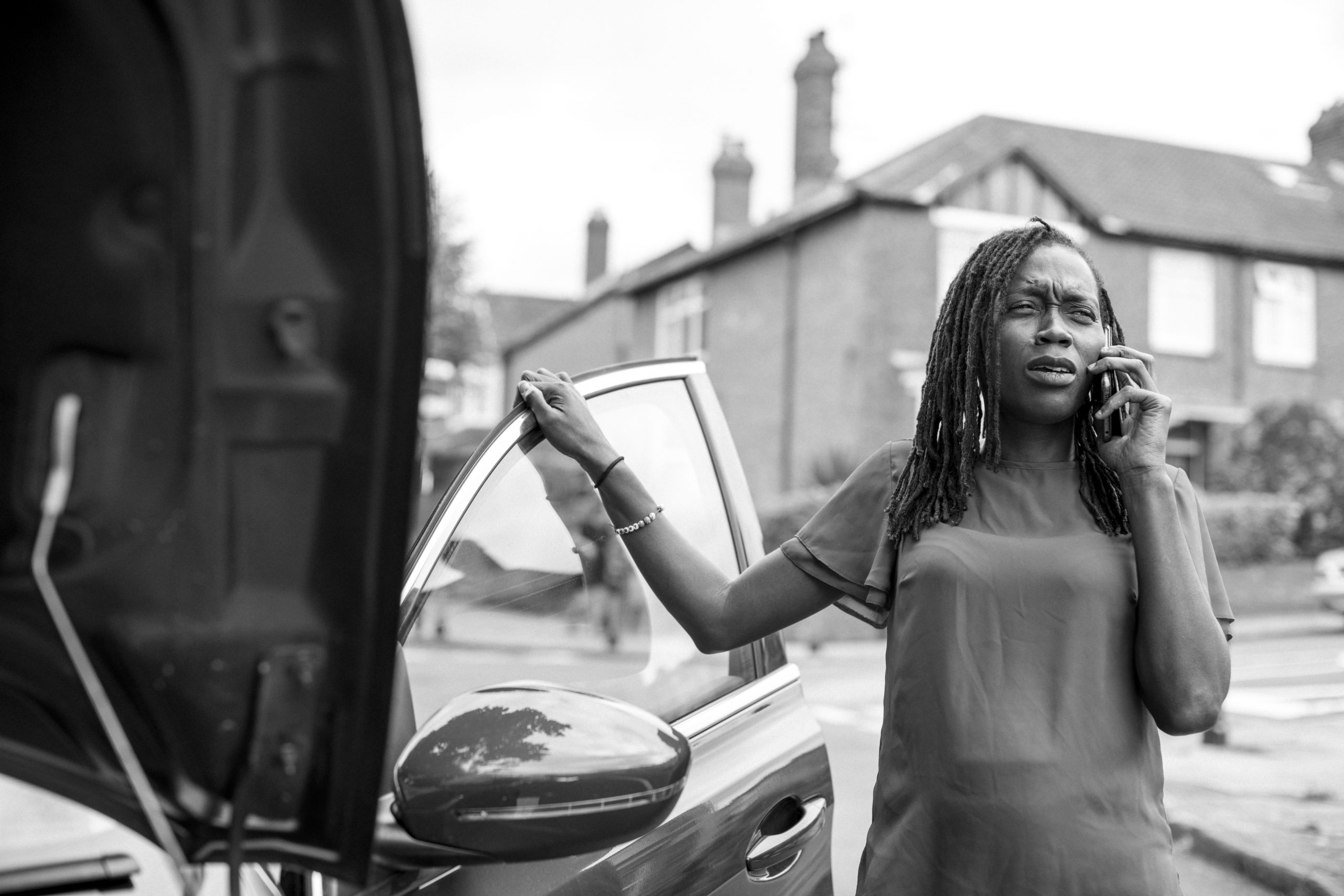
In the hazy aftermath of a car accident, it can be difficult to determine how to behave and what steps to take. Besides getting to safety, you also have to worry about preserving your eventual claim with your insurance company. This blog will cover some of the important details you need to know if you are involved in a serious auto accident in Georgia. 

  1. Call the authorities and get necessary medical attention. This is crucial even if you haven’t suffered any visible injuries. Many health problems, like traumatic brain injuries and other internal wounds, are often not immediately visible. Besides taking care of your health and wellbeing, getting medical care for any injuries is important for your eventual claim (documenting medical expenses). Generally, it is also against the law to leave the scene of an accident. 
  1. Take pictures, interview witnesses, gather (and preserve) evidence. Unless it is unsafe to do so, take out your cell phone and take a copious amount of pictures at the scene. Be sure to get closeups of the damage to your car and any visible injuries. When emergency vehicles get to the scene, they will clean everything up fairly quickly, so time is of the essence. Get contact information for anyone you think may have witnessed the accident; you don’t necessarily have to put them on the spot and interrogate them about what they saw. It can be useful to get a binder or folder so all documents pertinent to the accident can be in one place. 

white-volvo-semi-truck-on-side-of-road-2199293-300x200Auto accidents among passenger vehicles, especially when they occur on the interstate or freeway, can have devastating consequences for those involved. When an accident involves a large truck or tractor-trailer, though, this potential goes up exponentially. The average tractor-trailer is at least 20 times heavier than the typical passenger sedan and takes much longer to come to a complete stop. 

In addition to the increased possibility of serious injury or death with a trucking accident, there is also an increase in the number of liable parties. Who might be responsible for a trucking accident, and who will have to pay the plaintiff in a personal injury lawsuit? This blog will explore four possible parties. 

  1. Truck Driver. In an investigation following a trucking accident, the focus usually begins with the actions of the driver. Was he texting on his cellphone? Was he making telephone calls or in a telephone conversation? Was he or she speeding or driving recklessly at the time of the accident? Was there an effort to stop the truck right before the collision? Was the driver under the influence of alcohol or drugs or suffering from lack of sleep? These are some questions that need to be answered in an investigation. 

heidi-fin-2TLREZi7BUg-unsplash-300x195One important aspect of many personal injury cases is the duty of care that the defendant owed at the time of the plaintiff’s injury. That is, how responsible is the property owner or manager for the injuries suffered by the victim? To help answer this question, Georgia courts generally classify plaintiffs into one of three categories: invitee, licensee, and trespasser. 

Say you slipped and fell due to standing water outside of a business. How liable is the business for your injuries? What if your slip-and-fall occurred at your friend’s house? This blog will explore the three duty-of-care types and what it means for your personal injury case.

Invitee. This first duty of care provides plaintiffs with the greatest chance to succeed in their personal injury case if the invitee classification does apply. An invitee is someone who has either been “expressly” invited onto a property or received an implied invitation to occupy the premises for business purposes. Patrons of a retail store and residents of an apartment complex are all considered to be invitees. 

IMG_9527-e1555424371780-225x300
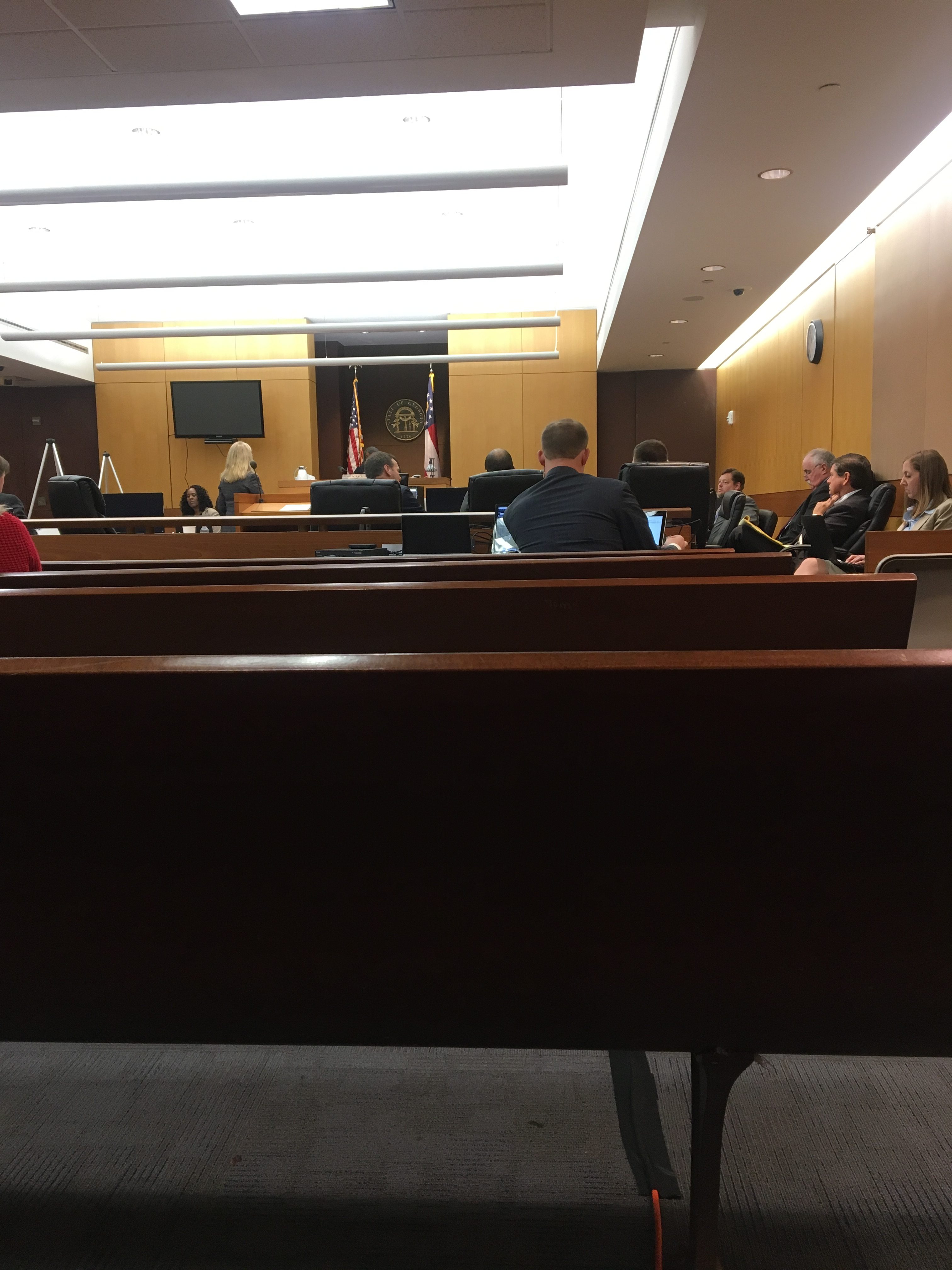
Recently, I was in a courtroom in Fulton County, Georgia watching a medical malpractice trial.  I was not involved in the trial; I was just a trialwatcher. When I have time, I still enjoy watching trials, both civil and criminal, for the real life drama on display. No movie or play can capture the sheer, raw emotion of a trial.  A jury’s decision can be life-altering. In a civil trial for money damages,  a verdict for the plaintiff can give the family of the injured person or decedent a sense of Justice and much needed closure. A verdict for the defendant can give a defendant a sense of vindication. The whole trial process is designed to find the truth. In fact, the word “verdict,” in Latin, means “to speak the truth.”

I have often seen normal laypeople who are testifying realize, on the stand, they have underestimated the emotional pressure that the formality of the courtroom imposes on them. There is something about the utter dignity and formality of the Courtroom, with the judge sitting high on the bench, with a court reporter taking down every word uttered, with 12 citizens sitting in judgment, with a Deputy Sheriff at the door, that brings the enormity of it all into crystallized focus. In this medical malpractice trial I was watching, there was a moment with one of the defendants on the witness stand when he simply broke down during his testimony. He began to tear up on the stand and the began to cry, and the plaintiff’s attorney quickly asked the judge for a break. But it was too late. The defendant began crying uncontrollably, and literally fell down on the floor from the weight of it all. His attorney had to go help get him off the floor and then out of the courtroom as the bailiff quickly took the jury back to the jury room. It was clear that the defendant had suffered something so strong emotionally that he could not go on. We were all worried about his mental well-being. I knew his attorney and knew he would make sure his client was supported emotionally and not left alone.  I believe his attorney was sincerely concerned about his client’s ability now to go on with the trial and meaningfully participate in the trial and assist his attorney. In speaking with several of the attorneys in the case, both plaintiff and defense, not one of us had ever seen something like that happen in a trial before.  Most of us had practiced for over 30 years. Meanwhile, the plaintiff’s attorney felt just as strongly that the defendant’s outburst of emotion directly in front of the jury was so overly prejudicial that the jury could not help but sympathize with the defendant, regardless of any instruction the judge might give to the contrary. Telling a jury they may have no sympathy for either side is easier said than done when a witness has just broken down in front of their eyes.  Discussion was had by all counsel with the judge in the judge’s chambers, and I was not privy to what they discussed and argued. Eventually, the defendant who had broken down on the stand reappeared in the courtroom. He looked shaken and seemed to be trembling. He was visibly trembling as he took sips out of a water bottle. There was no question in my mind that this was sincere and beyond his control. I felt empathy for him. After about an hour, though, the judge and all counsel came back into the courtroom and the jury was brought back into the courtroom. The judge declared a mistrial and thanked the jury for their work and instructed the jury they were no longer needed and that their jury duty had been fulfilled.

Wow.

Awards
American Association for Justice Badge
Georgia Trend Legal Elite Badge
State Bar of Georgia Badge
Georgia Trial Lawyers Association Badge
ABOTA Badge
LCA Badge
Top 50 Women attorneys in Georgia Badge
Super Lawyers Badge
Civil Justice Badge
International Society of Barristers Badge
Top 25 National Women Trial Lawyers Badge
Contact Information