March 6, 2012

Magnet Toys Are Extremely Dangerous for Children

magnets.jpg

I saw today that a child survived swallowing 37 magnets, so powerful they had twisted and blocked her intestines. These were Buckyballs, which the company says are toys for adults, not children. I doubt children know they are for adults, only. They certainly look like toys that children would want to play with. Even though the company says they are not "toys," some of these magnets were recalled last year for failure to comply with Federal toy standards.

There simply is no legitimate reason for magnets so strong that they can twist and bind a person's intestines. These are inherently dangerous around toddlers. The Consumer Product Safety Commission reports that 22 incidents involving magnets and children from June 2009 to October 2011, with 11 of those requiring surgery to remove the magnets. This includes the Magnetix brand of toys, which has caused the death of many children who have swallowed the magnets. After it became known that Magnetix magnets were killing many children, the manufacturer, Mega Brands, decided to include a warning on the package that stated: "Caution: do not ingest or inhale magnets. Attraction of magnets in the body may cause serious injury and require immediate medical care." Does this go far enough? Or does it just touch the surface?

The Consumer Products Safety Commission, cpsc.org, has been warning us for years now about the hazards of magnets, how easily they can be swallowed by a child, and how quickly and irretrievably they can cause such severe damage when ingested. I have mentioned the CPSC before, but it is a good idea to check their website, cpsc.org, on a regular basis to learn about new recalls of dangerous products. Another good source of information on dangerous toys is the Kennan Kids Foundation, created by my good friend, Don Keenan, a fellow trial lawyer here in Atlanta. The Keenan Kids Foundation keeps abreast of hazardous toys available in America and alerts parents to their dangers. It is a very helpful website of up-to-date information about what is a safe toy and what it not.

The warnings obviously don't go far enough; otherwise, no parent would ever let these magnets even close to their children. And yet children are still being injured by them. Which begs the question: Shouldn't these magnets just not be sold anymore?

Bookmark and Share

December 20, 2010

Consumer Product Safety Commission Launches Searchable Site

cpsc-branding.png

I am thrilled to hear that the Consumer Product Safety Commission will be launching a new website on which consumers may search for a product by name or type to see what safety issues may arise with that product. This is long overdue and I believe will prevent numerous injuries caused by defective products.

The CPSC, a relatively small federal agency of about 530 employees, has jurisdiction over more than 15,000 kinds of consumer products used in homes, sports, recreation and schools. It does not, however, have any actual real recall power, and the decision whether to recall an unsafe or defective product still rests with the manufacturer. I think that is a misperception that alot of people around the U.S. probably have, i.e., that the CPSC has some enforcement mechanism to mandate removal of unsafe products. It does not. The consumer has to be proactive in searching out information about certain products and the new CPSC website will help. The new CPSC website is not expected to be up and running until March 2011, so check it then. In the meantime, you may still gather alot of information about any product you may suspect has a problem at the CPSC's current website, www.cpsc.gov.

Bookmark and Share

October 20, 2010

Georgia Consumer Alert: Graco Strollers Recalled

gracostroller.jpg


Graco has recalled at least two million strollers due to the potential for strangulation of infants. These strollers have already killed four babies. The Graco stroller recall was, apparently, prompted when babies were getting their necks stuck under the tray. Check the serial number of your stroller and if you own one of the recalled lots, STOP USING your Graco stroller IMMEDIATELY! Here is a list of the recalled products.

The Graco recall is so extensive and serious that it has prompted Federal review of all stollers.

This is not the first time Graco has had problems with their strollers. You may recall a recall in January of this year due to the tendency of Graco strollers to cause fingertip amputation of the babies riding in these strollers.

I hope you baby has not been injured by these Graco strollers, but they are, obviously, very popular models.

Bookmark and Share

September 24, 2010

Similac Infant Formula Recall Alert

similac.jpg


In what has been little publicized, Abbot Nutrition has recalled some of its Similac and Isomil Infant Formula. An internal quality review detected the possibility of the presence of a small common beetle in the product produced in one production area in a single manufacturing facility. There is a possibility that infants who consume formula containing the beetles or their larvae, could experience symptoms of gastrointestinal discomfort and refusal to eat as a result of small insect parts irritating the GI tract. The presence of e. coli bacteria has been found in some infants. Long term effects could include kidney damage.

All Similac powder formula in rectangular plastic tubs is being recalled. You may find the specific serial numbers and recalled lot numbers on Abbott's website.

Consumers should discontinue use of these products immediately. If you have already used some of this product, save what you have left. You should have your child checked immediately by a physician.

Bookmark and Share

August 3, 2010

Consumer Warning: 12 Most Dangerous Supplements

olde_naphtol_bottle.jpg

Consumer Reports has just issued its report on the twelve most dangerous supplements and I want to share those with Georgia readers so they know what to avoid. The Today Show on NBC also ran a feature on it this morning. The supplement industry continues to be one of the largest non-regulated industries in the United States, which is a BIG problem. The FDA (U.S. Food and Drug Administration) does NOT regulate the supplement industry and has no jurisdiction or authority to make it do anything.

This includes putting a full and complete ingredient list, including the concentration of each drug, on the label of the bottle, For example, in some tobacco addiction supplements, manufacturers have actually used arsenic, a deadly chemical that has been used to kill unknowing people. You would think that consumers might want to know what they are ingesting into their bodies. Worse, though, is sometimes only the first three letters of an ingredient are listed on the label, making it impossible for the consumer trying to take safety precautions, from knowing exactly what he or she is taking.

The tweleve most dangerous supplements, according to Consumer Reports, are:
Aconite
Bitter Orange
Chaparrel
Colloidal Silver
Coltsfoot
Comfrey
Country Mallow
Germanium
Greater Celandine
Kava
Lobelia

Stay away from these drugs. Exercise extreme caution when taking dietary supplements, herbal remedies, homeopathic drugs, etc.

Bookmark and Share

May 25, 2010

Consumer Warning: Drop-Side Cribs Potentially Fatal

empty_crib.jpg

Congress is considering a total ban on the manufacture and sell of drop-side cribs. The fact that Congress is even discussing this indicates how truly dangerous they must be, because, as we all know, the United States Congress moves at a glacial pace (read "slow as cold molasses as we say in Kentucky) and the fact that Congress is even now addressing the issue indicates how serious the hazard of drop-side cribs must really be.

Those of us who are parents of older children most certainly raised our children using drop-side cribs. They saved us from an untold number of backaches. No doubt none of us would have used them had we only known what a terrible danger they posed to the safety of our babies, the most precious things on Earth to us. When my children were infants, I was aware of a potential danger of having too much space between the mattress and the crib railings. We were told by our physicians that an infant could scoot between the mattress and the side of the crib and become wedged there and suffocate. The test was to make sure you could get nothing more than your fingers between the mattress and the side of the crib. The current danger being investigated is similar, but occurs when a piece of hardware from the crib is missing or the drop-side is installed incorrectly, which can easily occur.

Representative Kirsten Gillibrand from New York is leading the charge in Congress. "There's a great urgency here. We have to make sure that no parent is unaware that drop-side cribs could kill their children," Sen. Kirsten Gillibrand, D-N.Y., said in an Associated Press interview. There have already been recalls of hundreds of thousands of cribs recalled. At least 32 young children have strangled or suffocated in the past nine years due to defects and other problems of drop-side cribs. Even one death is too many. Although drop-side cribs may soon be obselete, they will still be found at yard sales, which may pose a problem for unknowing parents. Before buying any such product, I recommend you check the Consumer Product Safety Commission's website to verify the product you intend to buy has not been recalled and doesn't pose a safety risk for your child.

Bookmark and Share

May 19, 2010

Safety Warning: Dart Gun Recalled

dartgun.jpg


The Consumer Product Safety Commission, along with the Family Dollar Store, has recalled the "Auto Fire Toy Dart Gun." The manufacturer of the toy, Henry Gordy International, Inc., of Plainfield, NJ, has refused to recall the toy on its own, even though at least two children have died from swallowing parts of the darts. The toy dart guns were manufactured in China, which raises the issue of how safe are toys or other products manufactured in that country? Remember, this is the same country that manufactured children's toys that had lethal levels of lead in the paint on the toys. And the same country that sold infant's formula laced with melamine.

All very scary stuff. It is extremely difficult to advise the average consumer on what is safe and what is potentially lethal. For now, I would simply recommend continuing to check the Consumer Product Safety Commission's website on a regular basis to see what is on their radar screen to help make your family more safe.

Bookmark and Share

March 1, 2010

Chrysler Sebring Defective

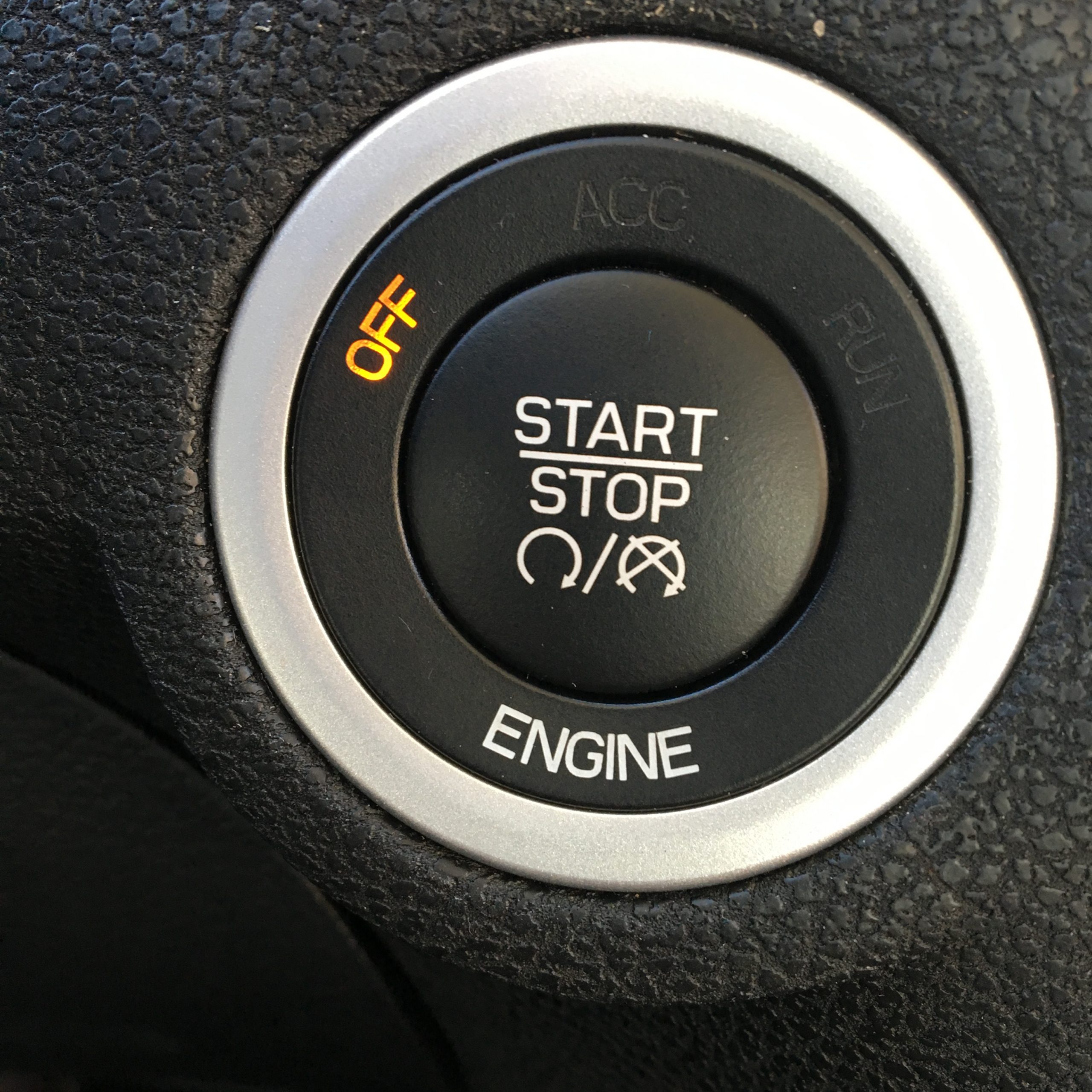
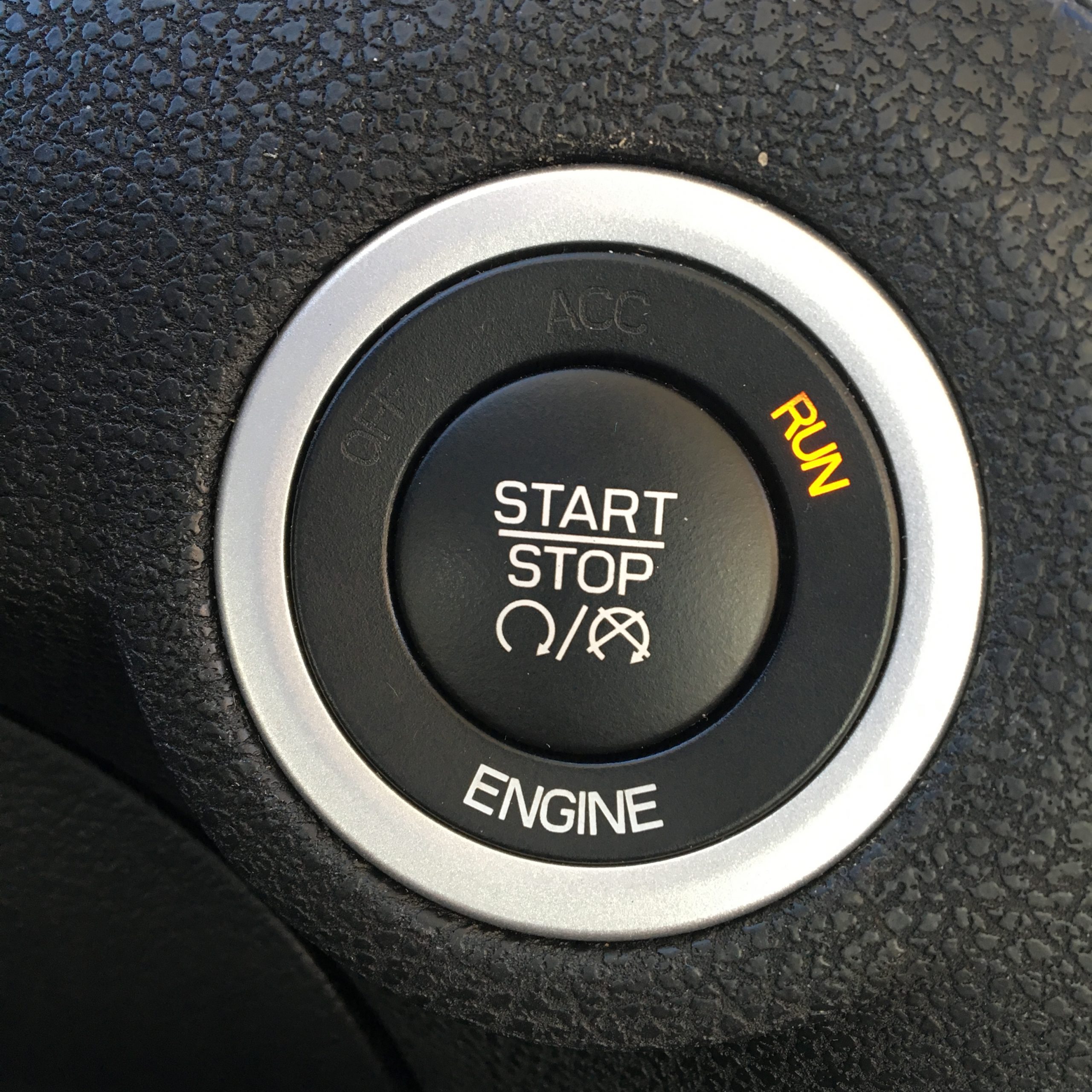
I was right. I wrote in my February 18, 2010 blog entry that I suspected a defect in the Chrysler Sebring caused the car to unexpectedly roll over a child in Fayette County, Georgia. It was reported the key was out of the ignition and the car was in park at the time it ran over the child. Now, the Fayette County Sheriff's Office confirms my suspicion that it was, indeed, a manufacturing defect in the car that caused the tragic and utterly unnecessary death of this child. The vehicle had a defective ignition park interlock that caused it to slip out of park, roll down a driveway and strike the victim, according to Capt. Brian Eubanks of the Fayette County Sheriff’s Office.

My heart goes out to this family. One more death at the hand of a car manufacturer is one too many.

Bookmark and Share

March 1, 2010

Chrysler Sebring Defective

I was right. I wrote in my February 18, 2010 blog entry that I suspected a defect in the Chrysler Sebring caused the car to unexpectedly roll over a child in Fayette County, Georgia. It was reported the key was out of the ignition and the car was in park at the time it ran over the child. Now, the Fayette County Sheriff's Office confirms my suspicion that it was, indeed, a manufacturing defect in the car that caused the tragic and utterly unnecessary death of this child. The vehicle had a defective ignition park interlock that caused it to slip out of park, roll down a driveway and strike the victim, according to Capt. Brian Eubanks of the Fayette County Sheriff’s Office.

My heart goes out to this family. One more death at the hand of a car manufacturer is one too many.

Bookmark and Share

February 23, 2010

Too Little Too Late for Toyota?

toyota-logo-220.jpg


Finally! Toyota apologizes to the American public for selling us dangerous cars and keeping it secret from us when Toyota KNEW they were accidents looking for a place to happen.Yet Toyota still has yet to come 100% clean, in denying anything is wrong with their cars' electronic throttle system, when all evidence points to the contrary.

Added to the misery created by Toyota's cavalier conduct is the revelation that there may be some Americans wrongly convicted of vehicular homicide when their runaway Toyotas killed someone. This issue has arisen in Minnesota, where Koua Fong Lee is serving an eight year prison sentence for vehicular homicide in 2006 when his 1996 Toyota careened out of control and he was unable to stop it. With this late confession by Toyota executives about their out-of-control cars, it may be that Mr. Lee was wrongfully convicted and that it is Toyota, not poor Mr. Lee, that is responsible for the Minnesota deaths.

Things that make you go hmmmmm...another episode of Corporate Malfeasance, and it will be left to the trial lawyers of America to seek any justice for Toyota's victims.

Bookmark and Share

February 18, 2010

Tragic Death of Child in Fayetteville, Georgia: Another Car Defect?

This was a terrible headline to read today, that a child was killed in Fayetteville, Georgia when a car rolled over him. The car, a Chrysler Sebring, apparently rolled over him even though the car was in park and no key was in the ignition at the time. Sounds like another car manufacturing defect to me.

Child Killed By Rolling Car


Posted: 7:41 am EST February 18, 2010
Updated: 8:43 am EST February 18, 2010

FAYETTEVILLE, Ga. -- Investigators will be checking out a Fayette County family's car on Thursday after the vehicle apparently slipped out of park, hitting and killing the family's 6-year-old boy.

The Chrysler Sebring was parked in the driveway of the home in the 500 block of Westbridge Drive in Fayetteville Wednesday afternoon when it began rolling, according to investigators.

The car stopped against a tree after hitting the child.

"The Chrysler was found without the keys in the ignition," said Major Bryan Woodie of the Fayette County Sheriffs Office.

The victim's 9-year-old sister was in the car during the incident, but "her presence is not believed to be a factor," said Woodie.

No charges are expected to be filed, officials said.

Bookmark and Share

February 9, 2010

Toyota Has No Other Options Now After Recall

toyota-logo-220.jpg

It was bad enough that Toyota had recalled hundreds of thousands of newer models of their best-selling Camry and the Corolla and Tundra and certain Lexus models for sudden uncontrolled accelleration. That recall, blamed by Toyota executives as being caused by defective rubber floormats, affected 3.8 million vehicles that contained certain all-weather floor mats. Then Toyota issued another recall for 2.3 million Toyota vehicles, including 600,000 that were not subject to the prior floor mat recall due to an actual mechanical problem that was causing some gas pedals to stick. Which begs the question: was the TRUE problem with the first 3.8 million cars really to blame on the floor mat? Or was this a convenient excuse for what was really an accellerator problem from the get-go? Knowing Toyota Execs, count on the latter.

But now, in the MackDaddy of all Recalls, Toyota has recalled its Star of the Show, the Prius, Toyota said Tuesday it would recall 437,000 of its 2010 flagship Prius hybrid and other gas-electric models worldwide to fix a glitch in the braking system, as the Japanese automaker moved to contain a crisis over defects in a range of its vehicles. Toyota says its only a software problem, which may be true, but are we to trust them?

I have found myself in the last couple of weeks avoiding driving near or around Toyotas on the street. I will switch lanes rather than dare be behind one. I do not own a Toyota, but I can imagine Toyota owners faced with the moral dilemma: "Do I drive my Camry to work and risk killing myself, a loved one or another person? Or do I put it in the garage, continue to make monthly payments on a car I cannot drive and try to find alternate transportation?" Toyota, you've got some explaining to do!

And it's not just ONE problem. There are complaints of power steering problems, braking problems, sudden acceleration problems, and other problems. Which one does your Toyota have? The vast array of complaints is in and of itself scary.

Probably the wreck that first made many of us plaintiff's personal injury lawyers suspicious of the Toyota/Lexus Corporate line that it was merely a "floormat" problem causing sudden, uncontrollable accelleration was the horrible wreck in Santee, California, in which a family of four was killed, including a California Highway Patrol Officer who was driving a Lexus ES 350. He called 911 to report his car was accellerating out of control, they could not get their brakes to work and they could not stop the Lexus. At first, after this tragedy, Toyota blamed it on a floormat causing the accelerator to stick. But immediately I thought that CAN'T be right, because if anyone would know how to pull out a floormat to get the accellerator unstuck it would be a State Highway Patrol Officer. It just didn't make any sense what Toyota wanted us to believe.

There are allegations that Toyota knew of these problems long ago but kept its corporate mouth (so to speak) shut, and their corporate fingers (so to speak) crossed, that "hey, maybe we'll get lucky and no one will say anything while we continue to makes hundreds of millions of U.S. Dollars off the back of American workers!!!" There are also allegations raised that NHTSA, the National Highway Traffic Safety Administration knew about the Toyota problems a long time ago. If true, this raises the old question of whether NHTSA is too closely alligned with car manufacturers to consider doing anything that's in the best interests of the American Motoring Public.

Well, I watch with great interest. My guess is for there to be any justice gained in this whole mess, it will be up to a trial lawyer to achieve it.


Bookmark and Share

December 15, 2009

Window Blinds Recalled


romanshade.jpg

The Consumer Product Safety Commission has recalled over 50 Million window blinds due to the potential for choking small children. Parents and grandparents who have blinds in their homes, in my opinion, should immediately remove them. If you want to be certain that the brand of blind you have in your home has been recalled (and there is a good chance it has) you may check the Consumer Product Safety Commission's website to confirm this.

That window blinds pose a threat of strangulation to small children has been widely known for years. Just ask the group Parents For Window Blind Safety. There are other potential strangulation hazards in every home you must be concerned with. You may remember that the young daughter of the former professional boxer, Mike Tyson, recently was killed by strangulation by a looped cord on a treadmill, in a similar manner that these window blinds strangle children.

I think the bottom line is that we cannot wait for the CPSC to act on dangers to our children. That commission simply waits too long to act. Check your home for dangerous blinds now and remove them.

Bookmark and Share

November 23, 2009

Use Caution With So-Called "Herbal Remedies"

smallhomeopathicdrug.jpg


Have you been taking so-called "herbal remedies?" BE CAREFUL. I am particularly interested if you have been taking a homeopathic drug called "Tobacco Addiction," the manufacturer of which boasts can eliminate your addiction to smoking. If you have been taking that homeopathic drug, please call me. This is a drug made right here in Georgia which many Georgians may be taking unawares.

There appears an interesting article at cnn.com , "Herbal Remedies Need Real Scrutiny" about herbal remedies or homeopathic drugs and they remain unregulated in the United States, even though many of these drugs have been known to cause severe side effects and don't do what they say they will do. These drugs are not monitored by the DEA whatsoever, and may be causing real harm to users. In fact, if you search the Drug Enforcement Agency's website, http://www.justice.gov/dea/index.htm for "homeopathics," nothing even mentioning homeopathics is found. You will find helpful information about these drugs at the National Institute of Medicine's website: http://www.nlm.nih.gov/medlineplus/druginformation.html The United States Senate Subcommittee on Crime and Drugs held a hearing—Body Building Products and Hidden Steroids: Enforcement Barriers—late last month, during which both the Food and Drug Administration and the Drug Enforcement Agency were soundly criticized for not doing more to regulate either the dietary supplement market or those illicit players fielding steroids illegally sold as supplements.


I would urge consumers to consult their physician before taking any of these herbal remedies. Make sure they don't interact adversely with whatever prescription medications you may be taking right now and make sure they have not been reported as causing harm to users, e.g., kidney or liver failure. Report any adverse reactions immediately to your physician AND to the DEA.

Bookmark and Share

June 29, 2009

Where is Georgia Attorney General in the GM Bankruptcy?

One casualty (among many) of the bankruptcy reorganization of General Motors is personal injury claims against GM based on faulty design or manufacture of their vehicles. The Obama Administration was quick to throw injured plaintiffs under the bus by agreeing that all such pending personal injury claims would simply cease to exist as part of the bankruptcy. Interestingly, several Attorneys General of nine states have now objected to the GM bankruptcy on behalf of their respective citizens because it is a bad deal for their constituents who have been harmed by GM vehicles. Where is the Georgia Attorney General? Who is protecting the rights of Georgia citizens who have been harmed by GM vehicles? It seems like, as with so many things, Georgia is trailing behind other states in protecting its citizens, and that is not right.

Bookmark and Share

May 1, 2009

State of Georgia Should Have Hired a Trial Lawyer in Zyprexa Suit

The State of Georgia should have hired a good plaintiff's personal injury trial lawyer to pursue its suit against the maker of Zyprexa rather than handle such a large case on its own. Because the Attorney General's office pursued the matter against Eli Lilly and Co., the maker of Zyprexa, with its own in-house Assistant AG's, the State of Georgia settled the claim on behalf of the entire State of Georgia for only $6 Million. That's not alot for all of the citizens of Georgia. Other states are pursuing the matter earnestly in court and shooting for a jury trial. Once again, the Georgia Attorney General's office is a day late and a dollar short.

Georgia settles with drug company for $6M
Other states seek more with lawsuits over potential side effects of Zyprexa
By BILL RANKIN

The Atlanta Journal-Constitution

Wednesday, April 29, 2009

Georgia has decided to enter into a multimillion-dollar settlement with Eli Lilly and Co. over the pharmaceutical giant’s off-label promotion of the anti-psychotic drug Zyprexa.

The state will get more than $6 million from the deal. Even so, lawyers familiar with the case wonder if Georgia is missing out on a much larger payday.

Recent headlines:


Georgia has its first confirmed case of swine flu
Swine Flu Update
11 state park pools closed for lack of funds
• Metro and state news A dozen other states have decided not to settle. They have filed their own lawsuits seeking massive damage awards. The suits seek, in part, reimbursement for Medicaid payments for unwarranted Zyprexa prescriptions.

The suits contend Lilly misled patients and their physicians about Zyprexa’s potential side effects — diabetes, hyperglycemia and excessive weight gain. Lilly has denied wrongdoing in these civil cases.

Georgia has joined 30 other states in taking the settlement, a Lilly spokeswoman said.

Mark Zamora, an Atlanta lawyer who represents clients with Zyprexa claims, said Georgia should take on Lilly in court.

“At the end of the day, Georgia citizens would be better served by taking their chances with 12 fair jurors,” he said. “You have to hold the company accountable here, and there’s already admitted criminal wrongdoing.”

State Attorney General Thurbert Baker believes it is a good deal for state taxpayers.

The attorney general’s office looked at the anticipated Medicaid losses and calculated the payout would be about double what Georgia’s claims would have been, said Russ Willard, a Baker spokesman. The entire settlement for Georgia is more than $15 million, with $9 million reimbursing the federal share of state Medicaid claims, he said.

“Given the issues raised as well as the parameters of the settlement, Attorney General Baker thought this was a beneficial settlement for the taxpayers of Georgia,” Willard said.

Zyprexa has Food and Drug Administration approval for the treatment of schizophrenia and bipolar disorder. Yet lawsuits contend that Lilly’s marketing campaign targeted patients with dementia, even though the company lacked FDA approval to do so. The drug was Lilly’s best seller for years, bringing in billions of dollars.

In January, Lilly pleaded guilty to illegally marketing Zyprexa. It agreed to pay $1.42 billion to resolve lawsuits and end the criminal investigation.

This included $800 million to settle civil cases, with $438 million going to the federal government and $362 million to states. Lilly did not admit wrongdoing in the civil litigation.

There is always risk when a lawsuit is filed, said Edward Sherman, a Tulane University law professor and expert in civil litigation. Lilly could prevail and, if the state wins, the case could take years to play out, he said.

Also, states pursuing such demanding cases must hire trial lawyers who work for contingency fees. This can have political repercussions, he said.

But states taking on Lilly in court could win big verdicts or get larger settlements, Sherman said. “There’s the potential for a good deal more money than what’s being offered now.”

Alaska took such an approach.

In March 2008, three weeks into trial, the state and Lilly agreed on a $15 million settlement. Although Alaska had sought far more, the settlement was sizable given the state’s population of 670,000. Georgia has about 9.5 million residents.

Fletch Trammell, a Houston lawyer whose firm represents several states in the Zyprexa litigation, said the risk to bringing suit is diminished because Lilly entered a guilty plea.

“States participating in this settlement instead of litigating their claims,” he said, “are sending the message to Lilly and companies like them, ‘You can steal all the money you can for as long as you can, as long as at the end of the day, you’re willing to settle with us for pennies on the dollar.’ “

Bookmark and Share

February 20, 2009

Georgians Deserve Better than What Governor Perdue Offers with FDA Immunity

money_and_pharmacy.jpg


I have written about the attempt going on RIGHT NOW at the Georgia Capitol by Governor Perdue and Senator Bill Cowsert and others who take up Governor Perdue's mantra to eliminate Georgian's rights to sue a Georgia pharmaceutical company if its drug harms a Georgian. Senate Bill 101, heard yesterday in the Economic Development Committee (NOT the Judiciary Committee, where it actually belongs), would strip Georgians of ALL of our rights to hold a Georgia drug manufacturer liable for damages its drug causes a Georgian. Ironically, this bill would hurt ONLY Georgians; those folks who took the drug in any other state, Alabama, for example, WOULD be able to hold the Georgia company responsible for the harm it causes, as it should be. Can you imagine any worse affrong to the rights of Georgia citizens than this? This should show you how little the Governor of Georgia and his followers in the Georgia General Assembly think of the welfare of Georgia consumers. Yesterday in the Committee hearing, the Chairperson did not allow the Committee to vote on the bill.


ACT NOW! Folks, now is the time for everyone living in the State of Georgia to call your State Senator and ask them to vote NO on Senate Bill 101. Also, now is the time to call the Governor's office and let Governor Perdue know you don't appreciate his underhanded attempts to eliminate your constitutional rights.

Enough is enough.

Below is a wonderful letter by fellow trial lawyer Josh Branch published yesterday in the Athens, Georgia Banner-Herald. Josh is absolutely 100% correct.

Josh Branch: Limiting liability is wrong move
Athens Banner-Herald | Story updated at 8:11 pm on 2/18/2009


Senate Bill 101, backed by Gov. Sonny Perdue and now making its way through the state Senate, would free Georgia-based pharmaceutical corporations that make dangerous drugs or medical devices from accountability for any harm they cause, so long as their drug or medical device has received federal Food and Drug Administration approval. The bill grants complete immunity from liability to the corporation while stripping the constitutional rights of the citizens of this state.

Vioxx was an FDA-approved drug that seriously harmed or killed at least 139,000 people. If a drug were made here that killed Georgians as Vioxx did, our residents would have absolutely no recourse. A person in Phenix City, Ala., just across the state line, could pursue justice in the courts; a person in Columbus, Ga., just inside the state line, could not. Why take away the rights of citizens in your own state?

Perdue should not hand the lives of our citizens over to a federal bureaucracy and at the same time strip them of any right they have to seek a civil remedy if something goes horribly wrong. Georgians deserve much better than that.

While it's clear where the governor's priorities lay, let's hope elected members of the legislature think otherwise.

Josh Branch


Bookmark and Share

February 6, 2009

Georgians Deserve Better Than Governor Perdue's Proposed New Tort Reform That Will Make Georgians Less Safe

Warning to all Georgia Citizens: Governor Perdue is trying to do away with your constitutional rights and make you less safe! Please help us stop him by letting him and your Legislators know you do not want them to support this bill. Please contact Governor Perdue now and ask him to withdraw SB 101.

Governor Perdue wants to place the safety of Georgia’s citizens
in the hands of a corrupt and mismanaged federal bureaucracy
SB 101 seeks to rely on the federal Food and Drug Administration (FDA) amidst grave controversy
while giving large pharmaceutical companies who harm Georgians a “Get out of Jail Free” card

Atlanta, GA-- With the introduction of SB 101, Governor Perdue suggests that a federal bureaucracy embroiled in heavy controversy, the FDA, should have all the power in deciding the safety of pharmaceuticals and medical devices. SB 101 bars any Georgia citizen from bringing a products liability claim against a pharmaceutical corporation so long as it is headquartered or has 200 employees in Georgia and the product in question, either a drug or a medical device, is FDA approved.

“Vioxx was an FDA approved drug that harmed at least 139,000 people. If there were to be a drug or medical device made here in Georgia that injured or killed people like Vioxx did, Georgia residents would have absolutely no recourse. A person in Phoenix City, Alabama could pursue justice; a person in Columbus could not,” said Fred Orr, President of the Georgia Trial Lawyers Association. “The Governor believes SB 101 will bring corporations to Georgia. But I don’t think we want the kind of business this legislation would attract as this bill says, “Move to Georgia! You can harm or kill our citizens and you will not be held accountable!”

The Governor stated early in the session that FDA approval “should mean something” and that it should protect corporations from lawsuits.

“The FDA can’t protect us from peanut butter. How can we possibly rely on the FDA to protect us from dangerous drugs and medical devices?” said Orr. “If a pharmaceutical corporation manufactures a drug or medical device that seriously harms or kills an innocent person, that corporation should not, under any circumstance, be shielded from accountability. The Governor has simply gone too far with this proposal.”

On February 2, 2009 President Obama had harsh words for the FDA and he urged Congress to conduct a complete review of the FDA after the agency failed to protect the public from contaminated peanut butter. At this time the contaminated peanut butter has killed 8 people and sickened over 500 people.

In addition to the agency’s failure to protect the public from peanut butter, as recently as the last month, the FDA has been at the center of three other nationally publicized controversies concerning alleged corruption, mismanagement, and claims of serious financial conflicts of interest. First the federal Government Accountability Office (GAO) released a report revealing that the FDA has failed to comply with a congressional mandate set nineteen years ago that requires manufacturers of medical devices to provide proof of rigorous testing and safety analysis to the FDA for all Tier 3 medical devices (classified as those devices that are implanted or that a person relies on for life) prior to approval.

Second, a group of FDA scientists went public with their allegations of corruption, mismanagement and coercion within the FDA. The scientists stated that the scientific review process for medical devices “has been corrupted and distorted by current FDA managers, thereby placing the American people at risk.” They allege that managers at the FDA lacked scientific knowledge and clinical expertise regarding medical devices and that they have ignored the experts and scientists within the FDA. The authors stated that they had been ordered to modify their findings and evaluations of medical devices—allowing for the approval of products that may not be safe.

And third, the Inspector General of the Department of Health and Human Services (HHS) issued a report uncovering a troublesome conflict of interest inherent in the FDA approval system. The FDA failed to collect information on financial ties between those that perform clinical tests and the pharmaceutical companies that manufacture the product being tested in an alarming 42% of the cases. HHS claims that such financial ties may compromise the safety of the people in the clinical trials and the authenticity and integrity of the final research data.

“The scientists working at the FDA think that Americans are in danger. Other governmental entities report that the FDA is inept at keeping the American public safe. Yet Governor Perdue inexplicably thinks we should trust a corrupt federal bureaucracy to keep Georgians safe,” said Andy Childers, an Atlanta attorney.

National leaders in medicine don’t think that FDA approval is enough to keep people safe either. In a friend-of-the-court brief filed in association with the case of Wyeth v Levine, multiple editors of the New England Journal of Medicine stated, “The FDA alone simply lacks the ability to serve as the sole guarantor of drug safety." The doctors went on to say that without civil lawsuits and the discovery they produce, "the FDA would be stripped of an essential source of information that the agency has consistently relied on when making its regulatory decisions, and the American public would be deprived of a vital deterrent against pharmaceutical company misconduct."

“SB 101 gives negligent companies, who hurt or harm citizens of this state a ‘Get out of Jail Free’ card for the real world,” said Childers. “It’s clear to me where the Governor’s priorities are. He’d rather grant favors to big corporations than ensure the Constitutional Rights of the people of Georgia. Let’s hope the Legislature doesn’t agree.”

Bookmark and Share

February 4, 2009

Don't Hold Your Breath for Governor Perdue to Fix Peanut Catastrophe

In the midst of what can only be described as one of the worst catastrophes to befall Georgia, the Peanut Corporation of America Salmonella Scandal, Governor Perdue today "promises" to do something about it. While wearing a tie with peanuts on it, (was that some apparent attempt at humor?) Governor Perdue promised he would do something but didn't say what or when or how or by whom. No solutions.

And yet in the middle of this catastrophe, Governor Perdue has the time and energy and audacity to offer new legislation today that would eliminate the ability of a Georgia citizen to seek civil damages from any Georgia pharmaceutical company whose drug harmed a Georgia citizen if the FDA had approved the drug. The is the SAME FDA that coudn't protect us from peanuts! Is he kidding? Or does he really mean to treat Georgia citizens like this? One of the ironic things about this bill is that ONLY Georgians are harmed by it! If a citizen of, say, Alabama, takes a drug from Georgia and is harmed by it, that Alabama citizen can sue the Georgia manufacturer in Alabama, but a Georgia citizen would have no ability to hold the Georgia pharmaceutical company liable for the harm it has caused to a Georgia citizen.

This is truly unbelievable and really shocking that the Governor or the Legislature would for even a minute take the bill seriously. I think it is more evidence of the arrogance of the Governor and his disdain for the Georgia Civil Justice System, which, as opposed to the FDA, is truly a legitimate method of holding negligent companies accountable. And by the way, since when did it become unacceptable to hold negligent corporations accountable for the damage they cause? Sometimes I feel like the Governor is in Wonderland.

Bookmark and Share

February 3, 2009

Governor Perdue's Proposed Immunity for Pharaceutical Companies an Insult to All Georgia Citizens

I continue to be dismayed at Governor Perdue's apparent disdain for his constituents, the hard-working Everyday Georgians. His proposal to eliminate the right and ability of Georgia citizens to hold Georgia pharmaceutical companies responsible for injuries they cause here in Georgia is INSULTING and a slap in the face of every Georgian. Not to mention the fact that it is probably unconstitutional, as it would limit only the rights of Georgians to seek justice, not of other Americans' ability to sue Georgia pharmaceutical companies. Imagine that! Governor Perdue is ready, willing and able to throw away your rights because you live in Georgia, but he can't take away the rights of someone living, say, in Alabama who has been injured by a Georgia pharmaceutical company. What a joke! But, unfortunately, Governor Perdue, in his continued shortsightedness and misunderstanding of the United States Constitution and the Constitution of the State of Georgia, will be attempting to get the Georgia General Assembly to pass such an insane law.

My good friend and fellow trial lawyer, Jay Cook, wrote an op-ed column in the Atlanta Journal and Constitution today. It is reprinted below. Jay, like me, is a Past Preident of the Georgia Trial Lawyers Association. Jay is also a former President of the State Bar of Georgia and now continues the fight to protect the inalienable rights of all Georgians. Good job, Friend! And Fellow Georgians, please contact Governor Perdue's office and let him know you are not going to take it any more. Also, please contact your State Senator and State Representative and ask them to vote against the Governor's proposed limitation of your rights.

Should Georgia limit liability for drug companies? CON
Our safety needs to be defended
By JAY COOK

Tuesday, February 03, 2009

A little over four years ago, a veteran Federal Drug Administration scientist rocked the pharmaceutical industry with Senate testimony that exposed a legalized conflict of interest that was endangering the health and safety of the American public: the FDA’s funding depends largely on the success of products of the industry it regulates. “The FDA is incapable of protecting America from unsafe drugs or from another Vioxx,” Dr. David Graham warned.

Gov. Sonny Perdue has introduced a bill promising freedom from liability to Georgia-based pharmaceutical companies that sell FDA-approved drugs and devices. The bill would make it nearly impossible for Georgians to sue for injuries caused by these products. He claims it will lure more businesses to Georgia and “protect Georgia companies from personal injury lawyers.” But who will protect consumers from pharmaceutical companies that care more about profits than people? Obviously not the FDA.

Gov. Perdue calls his bill “tort reform.” But it’s got “rulebook rigging” written all over it. Rulebook rigging is my term for industries or special interest groups that try to game the system so they can legalize putting profits ahead of public safety.

Unfortunately, rulebook rigging isn’t limited to the FDA. The Consumer Products Safety Commission, OSHA and the Environmental Protection Agency, among other public safety watchdogs, also have been cut to the bone or reconfigured to cater to the industries they’re supposed to be policing.

If we need evidence (beyond Vioxx, Rezulin, fen-phen and Bextra) of the disastrous consequences of allowing industries to neuter their own government watchdogs, we need only look to Wall Street.

But even without such preferential oversight, consumers have only one place to turn when something goes wrong: our civil justice system.

But that protection, too, is being undermined thanks to tort “reform” — another rulebook rigging scam. To date, the powerful special interests pushing these “reforms” have spent more than $1 billion to brainwash us (and get a tax deduction) with contrived horror stories about how lawsuits are driving up insurance rates and putting good doctors out of business. The truth is that lawsuits, which have no impact on insurance rates, don’t put good doctors out of business — but, thanks to “reform” — lawsuits can’t hold bad ones accountable, either. Meanwhile, health care costs and insurance rates are still skyrocketing.

Our elected state representatives, who capped damages on medical malpractice lawsuits four years ago, seem to have forgotten that the civil justice system is there to enforce the rulebook of fair play, to keep America and Americans safe and to deter and punish wrongful behavior that injures others. Or have they?

The founding fathers must be rolling in their graves. They handed down government regulations and impartial civil juries for a reason: to promote public trust and safety and to keep our rights from being trampled by tyrants with too much power and money and too little humanity. They understood that America needed more than the free market economy to enforce the practice of fair play because they knew that not everyone plays fair. As James Madison, father of the Constitution and the Bill of Rights, wrote: “If men were angels we would need no government.”

It may not be too late to preserve our legacy. But first we must stop listening to the fear-mongering flim-flam of rulebook riggers and start seeing the game for what it really is: a con to pocket higher profits at the expense of our safety and our sacred right to liberty and justice for all. Shouldn’t the American Dream be about more than money?


• Jay Cook is president of the board of directors of the Georgia Civil Justice Foundation and a past president of the State Bar of Georgia.

Bookmark and Share

January 30, 2009

Governor Perdue's Proposed FDA Immunity A Slap in the Face of Georgians

fda_art_160_20071108145611.jpg


As you know, Governor Sonny Perdue has proposed legislation that would grant any Georgia corporation that manufactures drugs complete immunity from any civil liability if that company's drug harms a user as long as the FDA had approved it. This is a slap in the face of all Georgians and we need to tell the Governor we are not going to put up with it. Can you imagine the insanity of this proposal in light of the FDA debacle in Blakely, Georgia with the Peanut Corporation of America and the salmonella outbreak? Obviously, the FDA is a joke and can't protect us from peanut butter, much less from dangerous pharmaceuticals. This is the same FDA that missed 12 prior positive tests for salmonella at the Peanut Corporation of American plant before the salmonella outbreak.

The Governor's office made some feeble attempt to justify this slap in the face of Georgians yesterday and to distinguish the horrible peanut situation from his proposed FDA legislation: “The ‘F’ in FDA is much different than the ‘D’ in FDA. Our legislation is specifically targeted at drugs and medical devices that go through a rigorous approval process, which is totally unrelated to the FDA’s food regulation process,” said Perdue spokesman Bert Brantley. (The entire article is reprinted below).

Can you believe he said that? This sort of hyper-technical and meaningless distinction is tantamount to the Governor's treating Georgians like second class citizens. We deserve better. Use this link to tell Governor Perdue enough is enough, and when it comes to the safety of Georgians' food and drugs, we deserve grades of "A's" and "B's", not "F's" and "D's." Give Governor Perdue's proposed "get out of jail free" card for corporate wrongdoers an "F."

How peanut butter might gum up a Perdue bill

Thursday, January 29, 2009, 01:47 PM
The Atlanta Journal-Constitution

The state Capitol can be a highly insulated bubble, but reality occasionally imposes itself.

Two years ago, the massacre at Virginia Tech threw a wrench into legislation backed by the National Rifle Association to permit employees to keep guns in cars parked on company lots.
peanut.jpg

We may be witnessing something similar right now. Even if you live in a bubble, you know about that peanut-butter factory in Blakely:

A federal report released Wednesday on the salmonella outbreak fueled outrage and calls for a criminal probe into the South Georgia plant that officials said made the peanut butter that is linked to the food crisis. Georgia legislators vowed to sharpen laws regulating food-processing plants as federal officials announced an expanded product recall.

The report from the U.S. Food and Drug Administration detailed how the Blakely peanut butter plant failed to control contamination and retested tainted products before shipping them to market.

Two weeks ago, Gov. Sonny Perdue announced he would introduce legislation that would protect drug companies and medical device manufacturers in Georgia from lawsuits over products approved by the FDA.

Said Perdue:

“As we continue to attract new investment in biotechnology, we can secure our position as a leader in this industry by enacting laws that respect the role of the federal Food and Drug Administration as the regulator of the safety of drugs and medical devices.”

The governor’s legislation hasn’t manifested itself yet. But litigators who oppose the measure are practicing their lines, and the Blakely peanut-butter factory has quickly become a major part of the script.

“If the Food and Drug Administration can’t protect citizens and consumers from peanut butter, do we really want them to be the only line of defense for drugs and medical devices?” asked Bill Clark, director of political affairs for the Georgia Trial Lawyers Association.

We asked Lt. Gov. Casey Cagle this morning if the Blakely incident might sour the mood of the Capitol toward the governor’s bill.

Too soon to tell, Cagle said. He’d like to see the legislation.

But a spokesman for the governor said Perdue’s bill is to peanut butter what apples are to oranges.

“The ‘F’ in FDA is much different than the ‘D’ in FDA. Our legislation is specifically targeted at drugs and medical devices that go through a rigorous approval process, which is totally unrelated to the FDA’s food regulation process,” said Perdue spokesman Bert Brantley.

Further, Brantley said, the governor’s measure would protect companies from complaints against design defects of drugs and medical devices, not manufacturing defects. “If a drug manufacturer had salmonella in their factory and people got that from the taking the drug, this bill would not protect them,” he said.

Bookmark and Share

January 29, 2009

FDA a Reckless Joke-Georgians Not Safe From Even Peanut Butter

peanutcorp.jpg


The salmonella-tainted peanut butter poisoning cases nationwide are frightening and horriffic-over 500 individuals sickened from it so far and eight deaths. From peanut butter! And this is peanut butter that was supposed to have been checked by the Federal Government, in the form of the FDA (Food & Drug Administration) and through State Government, in the form of the Georgia Department of Agriculture, both of which have, obviously, failed Georgians and all United States citizens. Both of these government entities have failed miserably at their missions, protecting consumers. The FDA Inspection Reports read like an absolute horror story. The culprit corporation, Peanut Corporation of American, located in Blakely, Georgia, had numerous batches of peanut butter test positive for salmonella, but instead of immediately halting production, they shipped off the same batches to be tested by other laboratories that, for some unknown reason, failed to detect the strains of salmonella that were obviously present. Then the Peanut Corporation of American knowingly shipped out tons of peanut butter that had salmonella in them, that ultimately killed and sickened hundreds of people. What unbelievable reckless conduct! And by the way, where was the Georgia Department of Agriculture in all this??

The list of tainted products that you should not consume, apparently, grows with each day. I urge you to check the list of affected foods and do not consume any of them or give any of them to your pets.

And now, here in Georgia, the Governor has the audacity to introduce a bill into the Georgia General Assembly that would immunize any Georgia corporation whose product had been approved by the FDA. The proposed law by Governor Perdue currently would apply to Georgia pharmaceutical companies. That means any Georgian harmed by a pharmaceutical would have no recourse against the corporation that harmed him/her if the FDA had simply approved the product. Now I ask you, if the FDA obviously can't keep Georgians safe from peanut butter, how could it possibly keep Georgians safe from pharmaceuticals that kill or harm users? It can't, obviously, but our dear Governor would have his own Georgian citizens treated like second class citizens.

Tell Governor Perdue enough is enough. If you don't want yourself or your loved ones to be harmed by dangerous products, including dangerous pharmaceuticals, please call or write the Governor's office and tell Governor Perdue you don't like being treated like a second class citizen and you don't want Georgia corporations to get away with murder just because the (meaningless) FDA has approved the product. This has got to stop.

Bookmark and Share

January 12, 2009

Warning to Georgia Medical Consumers: Antibiotics May Cause Tendon Ruptures

cipro.jpg


I want to continue to use my blog to warn Georgia consumers of dangerous medications when it becomes apparent that a particular drug either is more dangerous than it is helpful, or that the side effects of a drug are so severe that it calls into question using the drug in the first place. Such may be the case with the drugs Cipro and Levaquin, both common antibiotics. If you are taking Cipro or Levaquin, this warrants discussion with your physician who is prescribing it.

Apparently, despite the risk, these drugs remain popular in the medical community to prescribe for infections. Many patients are not even aware of the risks associated with them, and many doctors are not telling their patients of the risks. It shouldn't be this way. Physicians should be telling their patients when they prescribe a drug all known possible side effects and give their patients as much information as possible when prescribing any drug.

FDA Warning: Cipro May Rupture Tendons
Agency Issues 'Black Box' Warning for Antibiotics Known as Fluroquinolones
By Todd Zwillich
WebMD Health News
Reviewed by Louise Chang, MD
July 8, 2008 -- Federal regulators are ordering new warnings on Cipro and similar antibiotics because of increased risk of tendinitis and tendon rupture.
The new warnings apply to fluoroquinolones, a class of antibiotics that includes the popular drug Cipro. The FDA has told companies that the drugs must now carry "black box" warnings alerting doctors and patients that the drugs can increase risk of tendinitis and tendon rupture in some patients.
Fluoroquinolones have carried similar warnings for years, but officials say they continue to receive reports of safety problems. A "black box" warning is the FDA's sternest warning.
"We have seen continuing reports of tendon rupture so we are trying to increase awareness," says Edward Cox, MD, director of the FDA's Office of Antimicrobial Products.
The warning applies to drugs of the fluoroquinolone class, including Cipro, Cipro XR, Proquin XR, Levaquin, Floxin, Noroxin, Avelox, Factive, and marketed generics.
Renata Albrecht, MD, who heads the FDA's Division of Special Pathogen and Transplant Products, estimates that spontaneous ruptures occur in about one in 100,000 people. The agency says taking the drugs appears to triple or quadruple the risk.
Most of the tendinitis and tendon ruptures affect the Achilles tendon, behind the ankle. But the agency has also received reports of tendinitis and ruptures in the shoulder and hand. Tendons connect muscle to bone.
Officials also say they are adding new warnings cautioning that patients over 60, those taking corticosteroids, and those who've undergone heart, lung, or kidney transplants are also at increased risk of tendon rupture or tendinitis if they take fluoroquinolones.
Researchers don't know exactly what fluoroquinolones do that promotes tendon rupturing. Theories suggest the drug may impede collagen formation or interrupt blood supply in joints, Albrecht says.
She says patients taking the drugs should tell their doctors immediately if they experience soreness or inflammation in muscles or tendons and that they should not exercise affected joints.
A consumer watchdog group sued the FDA in January asking for the new warnings. The agency has received more than 400 reports of tendon ruptures in fluoroquinolone patients since 1997, according to Public Citizen's Health Research Group, which filed the suit.
FDA officials would not confirm the number of reports of ruptures it has received, citing the ongoing litigation.
"There are several hundred, I would say," says Ann McMahon, MD, acting director of FDA's Division of Adverse Event Analysis II.

Bookmark and Share

January 9, 2009

$13 Million Jury Award to Accutane Users

accutane.jpg

Did you know there is compelling evidence that links inflammatory bowel disease (IBD) to the use of Accutane, an acne drug? If you or a loved one has ever taken Accutane, you need to be aware of this causal link, especially if you begin to show signs of IBD.

A jury in New Jersey recently handed down verdicts of $13 Million in three cases in which the plaintiffs allege the use of Accutane for acne caused IBD againt the drug manufacturer, Hoffman-La Roche. Plaintiffs argued the drug company should have placed stronger warnings on the label of the drug warning users that use of Accutance can cause IBD. The three plaintiffs in the New Jersey case all took Accutance in their teens for acne. Soon thereafter, they developed IBD, causing one to have to undergo surgery to remove his colon. They all face a greater risk now of colon cancer.

Do these side effects sound worth the risk to clear up some acne? No, of course not. And had the plaintiffs known about them they never would have used the drug. The drug manufacturer, though, knew about this side effect and failed to warn appropriately about it. Hoffman-La Roche still claims there is no causal connection between Accutane and IBD, regardless of the jury's opinion. Not shocking...a drug manufacturer failing to accept responsibility for what it has done. It also faces a host of other upcoming civil jury trials on this drug.

I want to get this information out to Georgia citizens, though, before they have the same thing happen to them as the young men in New Jersey. Please use extreme caution!

Bookmark and Share

November 3, 2008

United States Supreme Court to Hear Federal Preemption Case Today


fda_art_160_20071108145611.jpg

It might not be readily apparent how a case being argued in the United States Supreme Court regarding the Federal Preemption Doctrine has a tremendous effect on the rights of Georgia citizens, but it does. The United State Supreme Court is hearing arguments today in Levine v. Wyeth Pharmaceuticals, Inc., and the high Court's decision has far-reaching implication, even to the point of potentially limiting every Georgian's right to recover against a drug manufacturer for negligent manufacture and distribution of all kinds of drugs we Georgians have come to believe are safe and therapeutic.

Not so fast I say. The first realization every Georgia citizen must come to is that simply because a drug has been approved by the Federal Drug Administration (the FDA) does NOT mean it's safe nor does it mean it has been fully and accurately tested. One of the problems is that the FDA is way too close to drug manufacturers, which has resulted in lack of complete arms length transactions. For example, from 1992-2002, the drug companies paid $825 million dollars to the FDA In the Wyeth case, Wyeth Pharmaceuticals, Inc. is a drug manufacturer who made a drug called phenergan, which is used to combat nausea. On its label is a small warning that says if the drug was improperly injected it could lead to the onset of gangrene and the necessary amputation of a limb. Now you probably know where this is headed, right? Diana Levine, a professional guitarist, had the drug injected in her IV in her arm, which caused gangrene, which ultimately led to the amputation of her arm. Ms. Levine sued drugmaker Wyeth, claiming that the company had given insufficient warning of the possible severe effects of its product. A Vermont jury awarded her $6.7 million in compensatory and punitive damages.


Ms. Levine says the FDA is protecting the drug companies from lawsuits, rather than protecting consumers from dangerous drugs. "I had no idea what the risks were," she says of her ordeal with the Wyeth-produced antinausea drug.

Lawyers for Wyeth say Levine's lawsuit is preempted by federal law and federal regulations. They say the antinausea drug, Phenergan, is approved by the FDA and that the agency authorized the content of the company's warning about the possible negative effects of the drug. A Vermont jury agreed with Ms. Levine and awarded her $6.8 million for her loss. Now the preemption argument comes into play. Wyeth, Inc. says because the FDA approved the label, it doesn't matter what the Vermont jury thought of its conduct. The FDA is Wyeth, Inc's "get out of jail free" card. And herein lies the problem. If Wyeth, Inc. wins, no Georgia citizen would ever be able to bring a lawsuit against a drug manufacturer for negligent conduct because the corporation would be able to hide behind an FDA approval. Justice denied. For example, in February, the Supreme Court ruled in a major preemption case that individuals injured by a defective medical device could not sue the manufacturer if the device received pre-market approval by the FDA. This is not headed in the right direction for the consumer, which should show you how important the Presidential election tomorrow is. If there continues to be appointments made to the United States Supreme Court of justices who show no hesitancy to restrict or even take away the rights of everyday Americans to seek justice in our courts, we can forget that great notion of "justice for all." It will simply have no meaning in our courts, whether in Washington, D.C., Vermont or our beloved Georgia.

If interested, you can read the briefs filed in the United States Supreme Court in this case at http://www.scotuswiki.com/index.php?title=Wyeth_v._Levine This is such a crucial case in American jurisprudence that it is being closely watched by thousands.

So I will watch Levine v. Wyeth, Inc. closely (we won't have the Supreme Court opinion issued for months) and will pray for the best, that the rights afforded us by the Constitution and the laws of the States will continue to allow Georgians to be able to obtain justice when they have, unfortunately, been wronged.

Bookmark and Share

October 30, 2008

Warning for Georgia Parents: Simplicity Bassinets Recalled But Distributor Ignored Recall


bassinet_art_257_20080829081611.jpg


I want to alert all Georgia parents of infants who may own a Simplicity bassinet. Do not use it any more. These bassinets have been recalled because they may lead to strangulation death of the infant. It has come to light, however, that the distributor of these deadly bassinets, SFCA, Inc., ignored the recall and did not notify bassinet owners of the danger. The Illinois Attorney General has filed suit against SFCA, Inc. for ignoring the recall and subjecting more families to a needless risk of death by using these bassinets. The Consumer Products Safety Commission (CPSC) is considering changing its rules covering crib defects. Congratulations to Attorney General Madigan for showing the courage to go after these manufacturers for putting our children at risk.

I would like to see the Georgia Attorney General, Hon. Therbert Baker, do the same thing and file suit against SFCA, Inc. Until then, check the manufacturer of any bassinet you may have in your house and if it is manufactured by SFCA, Inc., do not continue to use it and return it to SFCA, Inc. Also, you might want to alert the CPSC. Keep your babies safe!

Bookmark and Share

October 22, 2008

Georgia Consumers' Alert: Baby Crib Recall

I want to pass this very important information to Georgia consumers, particularly parents and grandparents of infants, about a new crib recall. Federal regulators have ordered the recall of nearly 1.6 million cribs following the deaths of two infants. The Consumer Product Safety Commission and crib manufacturer Delta Enterprises announced the recall Monday citing problems with a mechanism known as a 'spring peg' as the defect which posed a risk to children. The recall, believed to be one of the largest in history, covers cribs and produced in China, Indonesia and Taiwan between 1995 and 2005.

Please check your crib NOW to see if it was manufactured by this crib maker, Delta Enterprises. If so,take it out of use immediately! Although the name "Delta Enterprises" makes it sound as if it is a U.S. manufacturer, the reality is these cribs were manufactured in China and other countries that simply do not have the same regulations and quality control as U.S. manufacturers. If you have experienced a problem with one of these cribs, please report it to the Consumer Product Safety Commission (CPSC) right now! Here is a link to reach the CPSC. http://www.cpsc.gov/


Bookmark and Share

September 4, 2008

Warning to Vytorin Users: It May Cause Cancer

vytorin.jpg


The editors of a leading medical journal, the New England Journal of Medicine, cautioned Tuesday that, without more data, it's impossible to rule out a link between the cholesterol-lowering drug Vytorin and cancer. The cancer link surfaced unexpectedly in July in three studies designed to show whether the drug prevents deaths from heart attacks and strokes. Researchers found evidence that patients who took Vytorin appear to have at least a 40% greater risk of dying from cancer than those who took a placebo. The same problem may exist with another drug, Zetia. The warning is clear not simply to brush this aside. At the very least, if you are one of the thousands of Vytorin takers in American or in Georgia, discuss this study with your prescribing physician. There may be other, better, less risky drugs you can take.

Bookmark and Share

March 17, 2008

Weak Roofs on SUV's Kill SUV Passengers

car-roofcrush.jpg
Plaintiffs personal injury lawyers across the nation are resisting the urge to say "I told you so" after the recent study by the Insurance Institute for Highway Safety (IIHS) confirms what we have been saying all along: if SUV manufacturers would simply make the roofs of SUV's stronger, it would save lives. The study concludes that more than 200 deaths could have been prevented in rollovers in 2006 if just a few more SUVs had roofs as strong as the best one it tested, and, of course, it follows that thousands of serious personal injuries, likewise, could have been prevented.

The IIHS study is extremely important because it proves what plaintiffs' lawyers have been saying all along; that inadequate roof strength can be the cause of death of an occupant in an SUV during a rollover. That an SUV will, in fact, experience a rollover is a given, and manufacturers are supposed to design and plan for that occurrence. The study is also important because it exposes the National Highway Traffic Safety Administration (NHTSA) for what it is, a co-conspirator with automobile manufacturers to require only the most minimal of "standards," (if they can even be called that) so that automobile manufacturers can continue to make hundred of millions of dollars on the backs of American citizens without reasonable attention to safety. Automobile manufacturers for years have defended against such cases by claiming to have complied with the NHTSA "standards," but this study shows such compliance is mere window dressing, and really meaningless when it comes to actual occupant safety. Much research has been done that shows for less than $100.00 per car a manufacturer could double the strength of the roof regarding strength to weight ratio. It is unfortunate that American car companies care more about their bottom line than their customers' safety.


Bookmark and Share

February 1, 2008

Justice is Served: Oregon High Court Reaffirms $79.5M Jury Verdict in Philip Morris Case

courthousedome.jpg
Justice is Served...for the third time, no less. The Supreme Court of Oregon has reaffirmed a $79.5M jury verdict in a tobacco products safety case against Philip Morris. The award was for the family of Jesse Williams, a former Portland janitor who started smoking during a 1950s Army hitch and died in 1997 six months after he was diagnosed with lung cancer. A jury in Portland made the award in 1999.

The Oregon Supreme Court said in Thursday's ruling that Philip Morris and the tobacco industry worked during the 1950s on a "program of disinformation" to create doubt about the dangers of smoking. Williams "learned from watching television that smoking did not cause lung cancer," but, once he came down with it, said the "cigarette people" had lied to him.

What's particularly satisfying about the Oregon Supreme Court's decision is that it reaffirms, for the third time, that the jury in the American Civil Justice System knows best. Despite the repeated attempts by the United States Supreme Court to take away the plaintiff's verdict in this case, the Oregon jury's decision has finally prevailed, proving again the jury knows best and the jury system works. It seems that only when Big Corporate America loses a trial does it rail against what they term "activist"judges. What is surprising is, if there is any "activist" judges in this case, it is the United States Supreme Court justices. They tried and tried to take away the jury's verdict and impose their own judgment on a trial that involved Oregon citizens and was decided by Oregon citizens. But, fortunately, the Justices' attempts have failed and, hopefully, the jury's verdict will now stand in this case.

By the way, when did it become wrong in America to be held accountable for your wrongdoing, including a corporations? The American Civil Justice System and trial by jury, is the only way to ensure justice is served, fairly, equally, impartially, without being a respector persons. There are those in our country who would tear down our revered jury trial system and eliminate accountability in our nation's courts for a myriad of wrongdoers. As a Georgia trial lawyer in the trenches, I will do everything in my power to fight the "dismantlers" of the American and Georgia Civil Justice System. The Oregon decision gives us renewed hope that justice will prevail for the little guy.


Bookmark and Share

October 25, 2007

Warning to Georgia Parent: Baby Seat Recalled

Warning to all Georgia parents: another child seat has been recalled. This time it is the Bumbo baby seat, made by Bumbo International, a Texas company. bumbo%20seat.jpg

You can find out more at bumbosafety.com, but after looking at that site, it seems the corporation, like many in its shoes, is attempting to blame the parents for the lack of safety of the very product it manufactured. So many corporations, when they are caught red-handed manufacturing a dangerous product, point a finger at their own customers, rather than accepting responsibility for placing a defective, dangerous product on the market. This is the face of the fact that the Consumer Product Safety Commission says it has received 28 reports of children falling out of the seats, which prompted the recall.

Georgia parents can retrieve newly written instructions for use of the seat at bumbosafety.com. When you read them, it will probably make you mad that the corporation is blaming you, the parent. If you have such a seat at home, you might reconsider using it any further based upon the CPSC recall. Perhaps a better source for learning more about this product recall and others, is cpsc.gove, the Consumer Product Safety Commission's own website. I think it is a good idea to check that site periodically for safety information on all sorts of products.

Bookmark and Share